
Root Canal Treatment
Restore Comfort With Root Canal Care in Glendale, WI
Dealing with a tooth problem can be stressful and overwhelming. At Modern Touch Dental, our dental professionals are committed to helping patients find the safest and most effective solution to dental issues. Whether you have tooth pain, a damaged or chipped tooth, or a severe infection, we’ll do everything we can to save your natural tooth. Undergoing a root canal in Glendale, WI, can often be the best alternative to a tooth extraction, and the best way to help you avoid serious complications from a dental infection. Call now to schedule a dental exam and explore your options for tooth pain and infection.
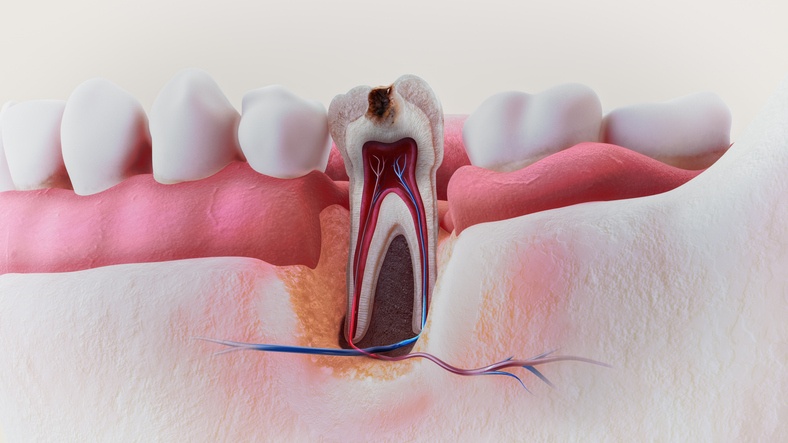
What Is a Root Canal?
A root canal is an emergency dental procedure that can save your tooth from extraction if it is severely damaged or infected. During the procedure, we will remove any dead, inflamed, or infected material located in the chambers of your tooth underneath your gumline. Then we will disinfect and seal the tooth to protect it. A root canal may be necessary if you have a severe infection or decay that has reached the tooth nerves or root, or if damage has allowed bacteria to enter the interior chambers of the tooth.
Signs You Need an Emergency Root Canal
It’s crucial to act quickly if you have signs of a serious dental issue. Delaying treatment can cause an infection to get more serious. Call our root canal specialists right away if you have symptoms like:
- Extreme or persistent tooth pain and/or sensitivity, especially when you chew, speak, or apply pressure to the tooth or gum
- Tooth pain along with signs of an infection, like fever and chills, swelling, pus or drainage, and bad breath
- A crack or break in the tooth, or a discolored tooth that is gray or black
- Trouble eating or speaking
Understanding the Root Canal Procedure
In order to determine if you need a root canal, we will do a thorough dental exam. We may take x-rays to explore the underlying structures of our teeth and see how far the infection has spread. We may also administer antibiotic treatment and/or pain relief to make sure you are comfortable. If you need root canal therapy, we will use anesthetic to numb the area. Then we will create a small access opening through the top of the tooth to reach the inner chamber. We will remove all infected pulp and clean out and disinfect the dental chamber. Then we will fill it with dental putty and seal the hole, placing a temporary crown to strengthen and protect the tooth.
Root Canal Pain Relief and Aftercare
After your procedure, we will give you detailed instructions for care. Most people experience pain relief after undergoing the procedure, as we have addressed the underlying cause of discomfort. However, you may have some drainage, bleeding, inflammation, and pain for 24-48 hours after the procedure. We recommend that you:
- Avoid eating or drinking hot or cold foods and beverages.
- Do not use a straw, poke at the tooth, or chew hard, sticky, or crunchy foods.
- Stick to a soft food diet.
- Avoid putting pressure on the treated tooth.
- Drink plenty of water and avoid alcohol.
- Quit smoking.
- Take all medication as recommended.
- Apply a cold compress to the outside of your cheek in 20-minute intervals for swelling and pain. Do not apply heat.
- Treat bleeding by biting gently on a piece of sterile gauze.
- Rinse your mouth with antibacterial mouthwash or warm saltwater.
- Sleep with your head elevated.
- Avoid strenuous activities.
- Visit us for all recommended check-ups.
Call Now to Schedule an Appointment
If you’re experiencing tooth pain or signs of an infection, call us right away. Our compassionate, experienced dental professionals at Modern Touch Dental can evaluate your symptoms and get you the help you need. After a root canal, we can provide ongoing and preventive dental care to reduce your risk of complications and improve your overall oral health. Call now or contact us online to schedule a dental exam in Glendale, WI.
FAQs About Root Canals
A root canal can save your infected teeth and help you avoid an extraction. We may recommend tooth extraction when the damage to your tooth is too severe to fix, and attempting a root canal could allow the infection to spread.
Call our office now to make an appointment with one of our root canal dentists.
We will conduct a thorough examination, take dental x-rays, discuss your lifestyle and symptoms, and consider doing a pulp vitality test to check the tooth nerve response.
A root canal saves your tooth, helping you avoid the cost, discomfort, and restoration needs associated with an extraction. Root canal therapy can also prevent infection from spreading, relieve pain, improve bone health, and restore your bite and smile.
A dental cavity occurs when tooth decay is so severe that it eats away at your tooth, creating a hole. Cavities can often be treated with dental fillings. However, if you have one that is too large or if the hole has allowed bacteria to infect your tooth, you may need a root canal.
A root canal is a procedure to save a decayed or damaged tooth rather than extracting it. A dental crown is a cap-shaped dental restoration that is placed on top of your tooth to enhance its function, strength, and structure. We may place a crown after a root canal to restore your teeth.
A root canal is a curative treatment to address severe decay and infection. If a root canal isn’t possible because your condition is too severe, you may need an extraction. If that happens, we may recommend a dental implant. A dental implant is a titanium rod that is implanted into the jawbone underneath the gum tissue. It serves as the tooth root for a new dental prosthetic to replace your missing tooth.
A dental cavity filling is a solution for a dental cavity. We clean out the cavity and use putty to fill it so no bacteria can get in. During a root canal, we also use filling material to seal the hole we drill to access your tooth and remove inflamed, dead, and infected pulp.
Most patients experience immediate pain relief because we have addressed the source of their pain. Once you have healed, you can enjoy improved oral and overall health and better tooth function.